The Dog Water Safety Checklist
Run through this before every beach day, lake trip, boat ride or pool session. It takes two minutes and covers the things that cause most water emergencies.
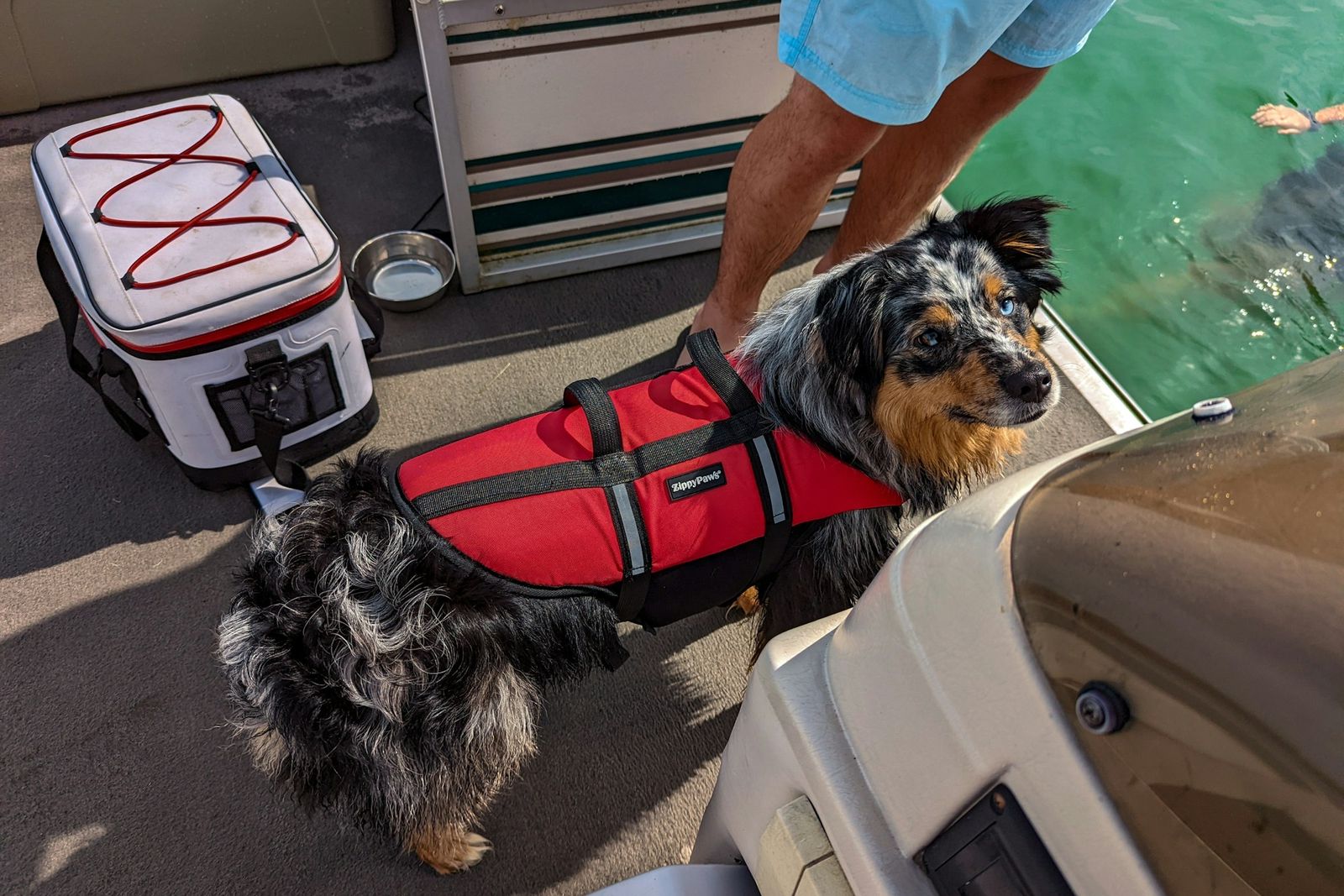
Most water emergencies with dogs don't come from anything unusual. They come from a tired dog in a current, a dog who can't find the way out of a pool, a gulp of algae-covered water or a hot afternoon with no shade. This checklist covers all of them.
Before you go
- [ ] Check the water. Look for local advisories about toxic algae or bacteria, especially in late summer. At the beach, check for rip current warnings, red tide notices and whether dogs are allowed. See toxic algae.
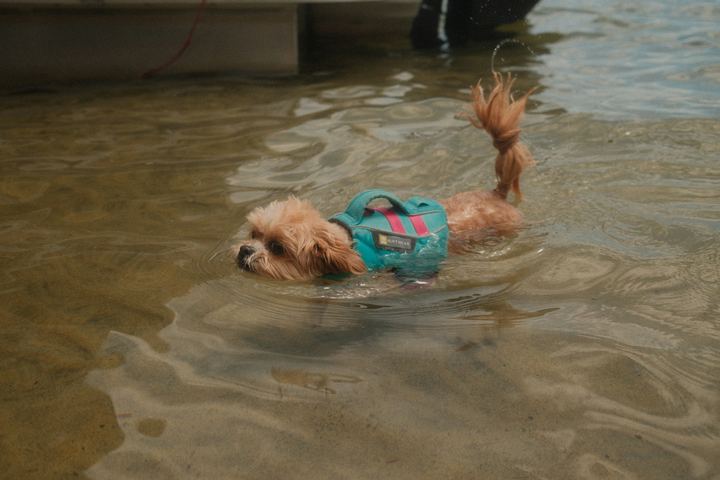
- [ ] Pack a life jacket for boats, open water, beginners, seniors, small dogs and flat-faced breeds. How to choose one.
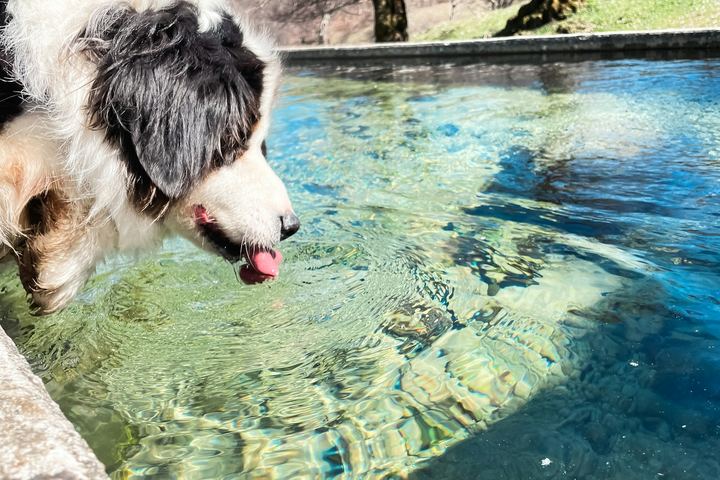
- [ ] Pack fresh drinking water and a bowl so your dog isn't drinking lake or sea water.
- [ ] Bring shade: an umbrella, tent or shade canopy.
- [ ] Know the nearest emergency vet and save their number in your phone.
- [ ] Pack a towel and a basic first aid kit.
When you arrive
- [ ] Find the exit. Make sure there's a gentle, easy way out of the water: a beach, boat ramp or pool steps. Steep banks, docks and seawalls trap tired dogs.
- [ ] Watch the water for a minute. Look for fast currents, waves, drop-offs, fishing lines, boats, wildlife and debris.
- [ ] Check the temperature. If it's too cold for you to wade, keep the swim short. If it's hot, plan for shade and breaks.
While your dog is in the water
- [ ] Supervise the whole time. Dogs can get into trouble quickly and quietly.
- [ ] Keep sessions short, about 10–15 minutes at first, with rest breaks on land.
- [ ] Limit gulping. Dogs who swallow lots of water while fetching can develop water intoxication, which is an emergency. Use flat toys that are easy to grab, and take breaks.
- [ ] Offer fresh water every 15–20 minutes.
- [ ] Stay out of trouble spots: river currents, rip currents, ice, algae scum and boat traffic.
Afterwards
- [ ] Rinse with fresh water to remove salt, chlorine, sand, algae and bacteria.
- [ ] Dry the ears and the coat, especially thick coats and skin folds. See post-swim care.
- [ ] Check paws for cuts and coat for ticks, burrs and fishhooks.
- [ ] Watch your dog for the next day. Coughing, trouble breathing, vomiting, weakness or unusual tiredness after swimming needs a vet.
Go straight to an emergency vet if your dog:
- Was pulled from the water after struggling or going under, even if they seem fine. Inhaled water can cause breathing problems hours later.
- May have swallowed or licked water with algae scum.
- Is vomiting, wobbly, very lethargic or bloated after playing in the water (possible water intoxication).
- Drank a lot of sea water and is vomiting or has diarrhea (possible salt poisoning).
- Shows heatstroke signs: heavy panting, bright red or pale gums, stumbling, collapse.
More: water first aid for dogs.
This guide is general information, not veterinary advice. If your dog is sick, hurt or acting unusually, call your veterinarian.