Post-Swim Care: The 10-Minute Routine for Every Swim
Rinse, dry, ears, paws, coat and a quick health check. A simple routine that prevents most after-swim problems.
This guide contains affiliate links. If you buy through them we may earn a small commission at no cost to you. Details.
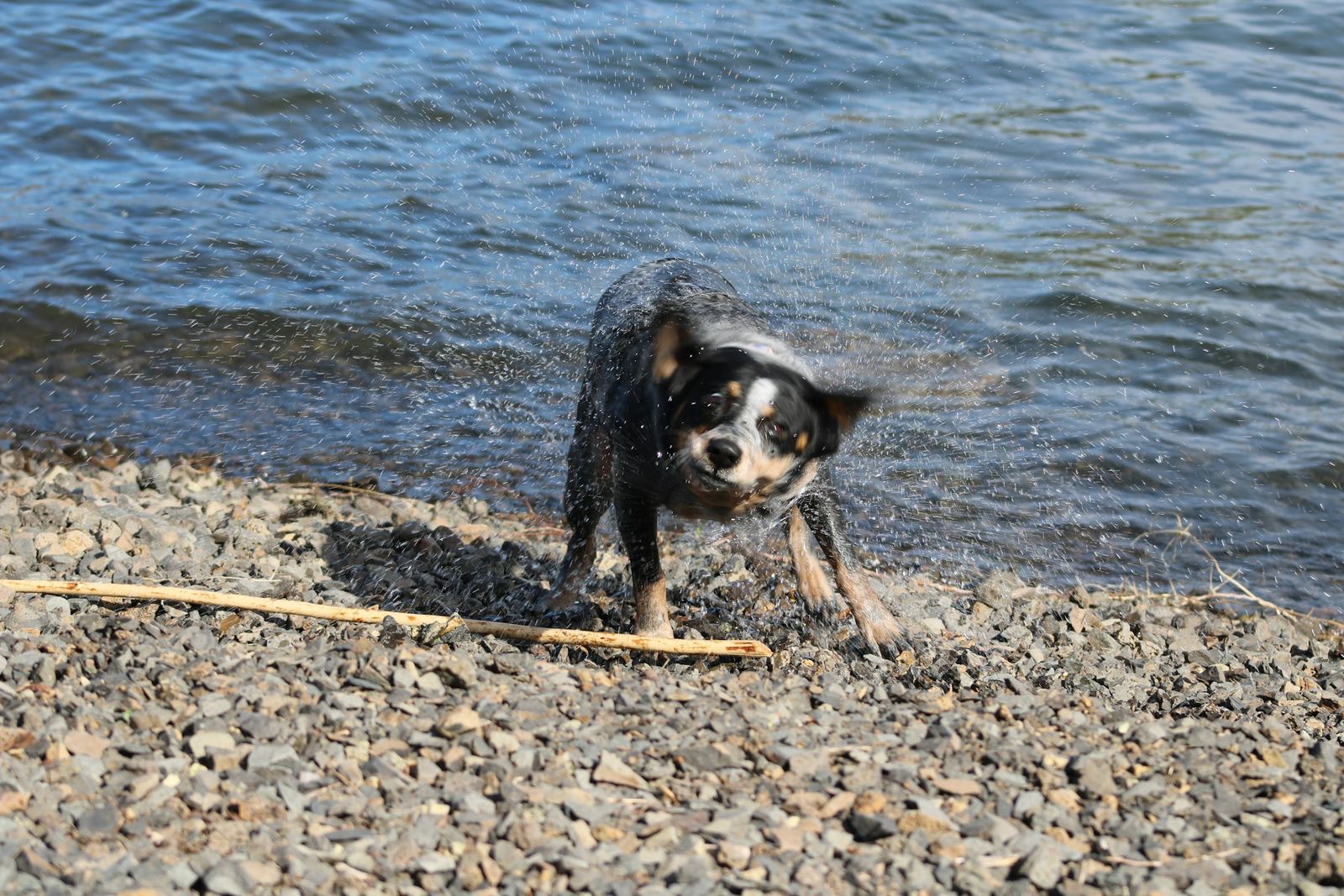
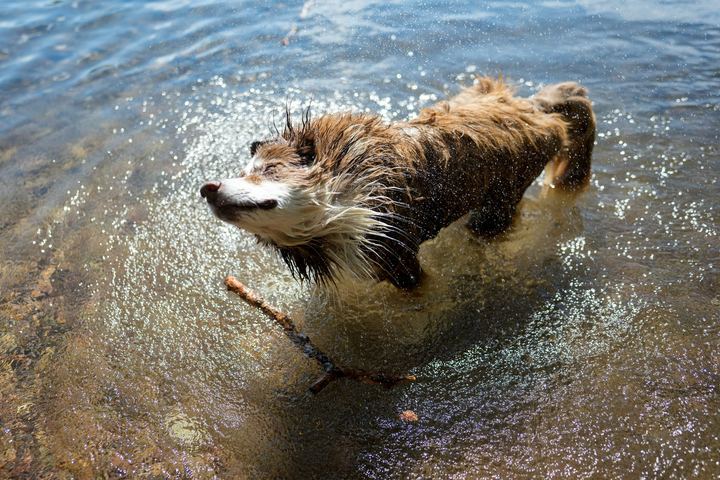
Most problems after swimming, like itchy skin, hot spots, ear infections and smelly coats, come from what's left behind: salt, chlorine, algae, bacteria and moisture trapped against the skin. Ten minutes of care prevents most of them.
1. Rinse
Rinse with clean fresh water right after swimming in the ocean, a lake, a river or a pool. Get through the coat to the skin. A portable shower or a jug of water in the car makes this easy. Portable pet showers
2. Dry the coat
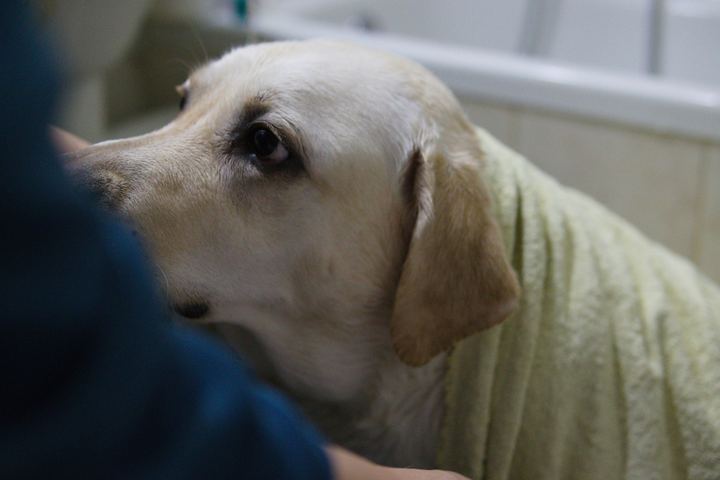
Towel thoroughly, paying attention to armpits, groin, between toes, under the collar and skin folds. Thick double coats can stay damp underneath for hours. Use a cool dryer setting or a drying coat. Microfiber dog towels · Drying coats
3. Dry the ears
Wipe the outer ear and opening with a soft cloth or cotton ball. If your dog is prone to ear infections, ask your vet about an ear-drying cleaner after swims. See preventing ear infections.
4. Check the paws
Look for cuts, cracked pads, burns from hot sand or pavement, burrs and sand between toes.
5. Check the coat and skin
Run your hands over your dog looking for ticks, fishhooks, scrapes, lumps and red patches.
6. Brush
Brush out the coat once it's dry to remove sand, debris and loose hair and prevent mats.
7. Water and rest
Offer fresh drinking water and let your dog rest. Swimming is hard work.
8. Wash the gear
Rinse life jackets, leashes, collars and toys in fresh water and let them dry fully. Damp toys and collars grow bacteria and mold.
Watch over the next 24–72 hours
See a vet if you notice: - Coughing, fast or labored breathing, or unusual tiredness (possible inhaled water) - Vomiting, diarrhea, weakness or tremors (algae, salt water or contaminated water) - Head shaking or ear scratching (ear infection) - Red, itchy, oozing skin (hot spots) - A limp, sore tail (limber tail)
This guide is general information, not veterinary advice. If your dog is sick, hurt or acting unusually, call your veterinarian.