Swimmer's Ear in Dogs: Preventing Ear Infections
Water trapped in the ear canal is a top cause of ear infections in dogs who swim. How to dry ears properly and spot trouble early.
This guide contains affiliate links. If you buy through them we may earn a small commission at no cost to you. Details.
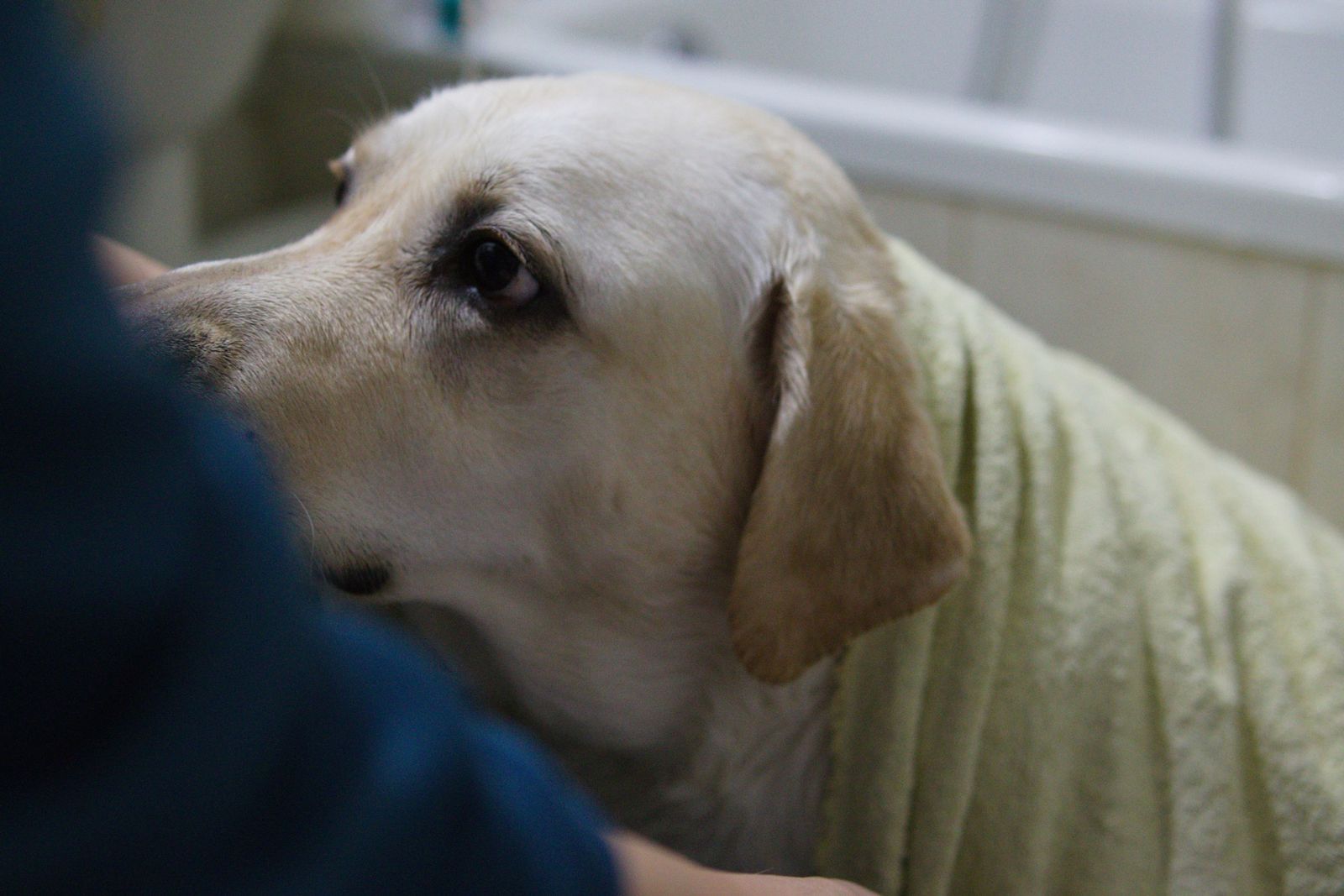
Dogs' ear canals are long and L-shaped, so water that gets in can't easily get out. Warm, damp ears are perfect for yeast and bacteria. Dogs with floppy ears, hairy ear canals or allergies, like Labradors, Golden Retrievers, Cocker Spaniels, Poodles and Doodles, are most at risk.
After every swim
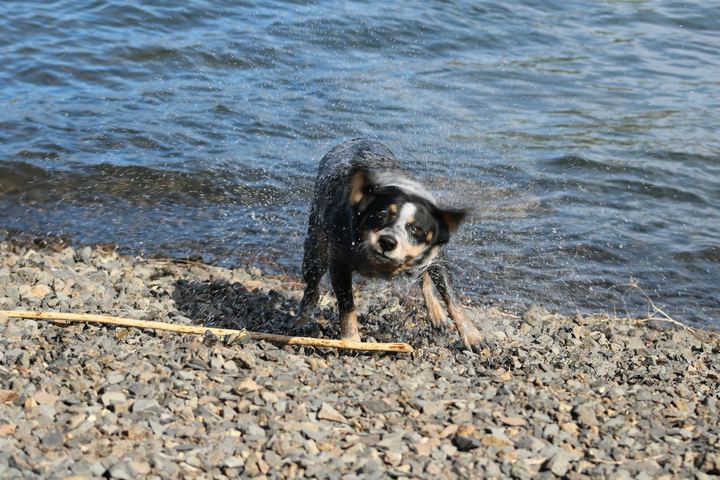
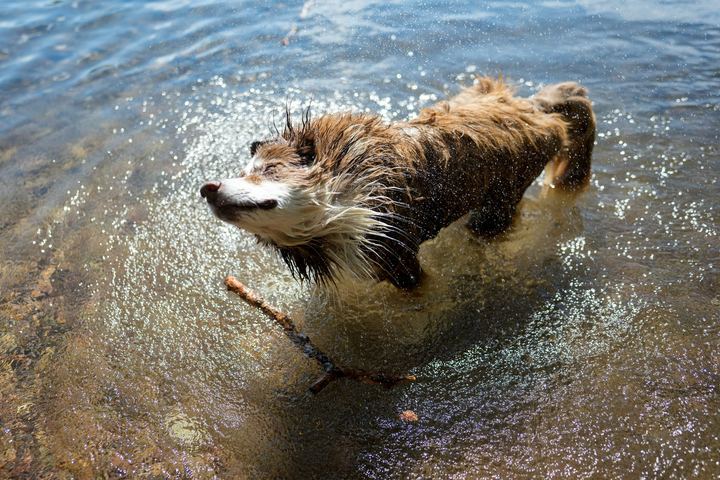
- Let your dog shake. It clears a lot of water.
- Wipe the outer ear and opening with a soft, dry cloth or cotton ball.
- Use an ear-drying cleaner if your vet recommends it. Many vet ear cleaners contain drying agents. Fill the canal, massage the base of the ear for 20–30 seconds, let your dog shake, then wipe away the loosened liquid. Veterinary ear cleaners
- Leave the ear flap open to air for a while on floppy-eared dogs.
Don't push cotton swabs into the ear canal, or use hydrogen peroxide, alcohol, vinegar or oils unless your vet tells you to. They can irritate the canal or damage the eardrum.
Signs of an ear infection
- Head shaking or tilting
- Scratching or rubbing the ears
- Redness or swelling inside the ear
- Brown, yellow or bloody discharge
- A yeasty or foul smell
- Pain when you touch the ear
See your vet rather than treating it at home. They'll check the eardrum and look at a sample to choose the right medicine. Treating the wrong thing can make it worse.
Dogs who keep getting ear infections
Repeated ear infections usually have an underlying cause, most often allergies. Ask your vet about finding and treating the root cause. Some dogs also benefit from having excess hair in the ear canal managed by a groomer or vet.
This guide is general information, not veterinary advice. If your dog is sick, hurt or acting unusually, call your veterinarian.