A Lake Day With Your Dog: What to Bring and How to Plan
How to pick a good dog-friendly lake, the gear to pack, and the fun things to do once you get there.
This guide contains affiliate links. If you buy through them we may earn a small commission at no cost to you. Details.
Picking a good spot
Look for:
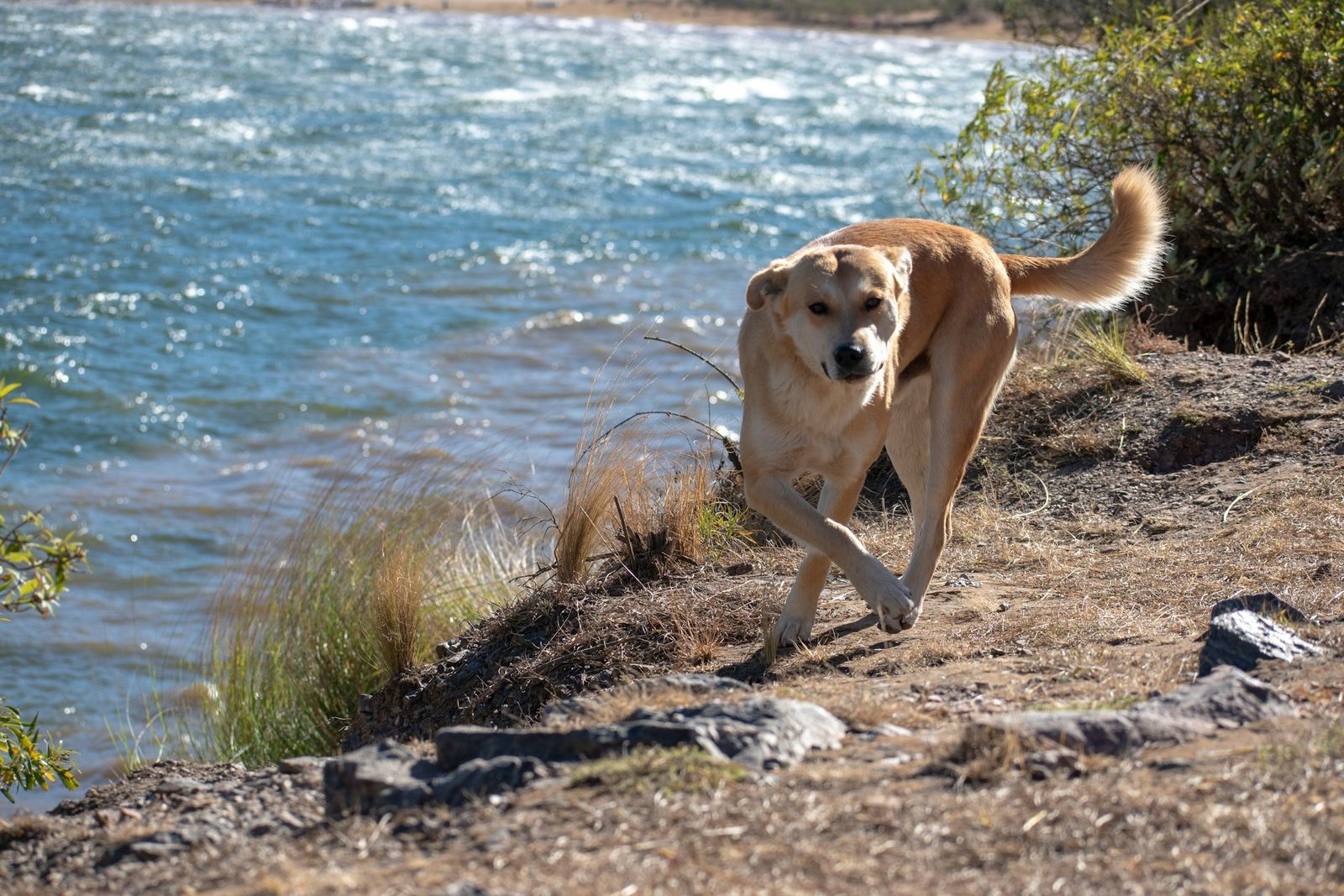
- Dogs allowed: many state parks and public lakes have dog rules or designated swim areas. Check before you go.
- A gentle, sandy or gravelly entry, so it's easy for your dog to get in and out.
- Calm water away from boat ramps, busy swim beaches and currents.
- Clear water with no algae advisories.
- Shade nearby.
What to bring
- [ ] Life jacket with a handle. Options
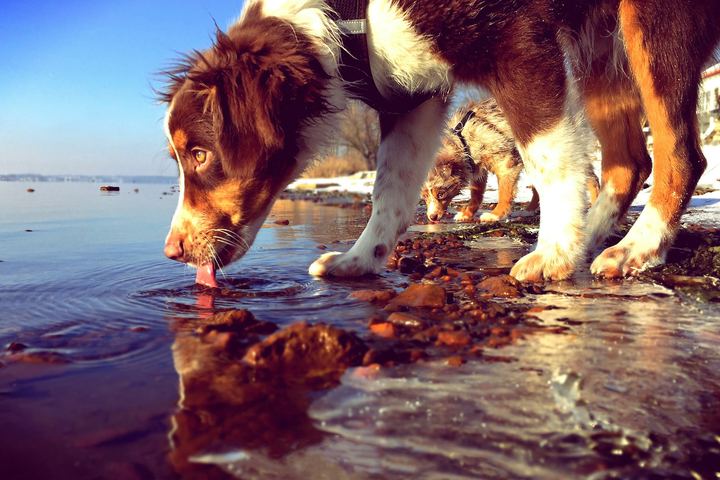
- [ ] Fresh drinking water and a bowl. Lake water can carry parasites and bacteria. Travel bowls
- [ ] Floating toys that are easy to see. Floating toys
- [ ] A long floating line for dogs still working on recall. Floating leashes
- [ ] Shade: a canopy or umbrella if there are no trees.
- [ ] Towels and a car seat cover. Seat covers
- [ ] Tick remover and a small first aid kit. First aid kits
- [ ] Booties if the shore is rocky. Booties
- [ ] Snacks and poop bags.
Things to do
- Fetch in the shallows, throwing parallel to shore rather than straight out.
- Swimming together. If you swim, stay beside your dog, not where they can climb on you.
- Paddling. Try a kayak or paddleboard once your dog is comfortable. See paddling with your dog.
- Shoreline walks and sniffing breaks.
- Practice recall and "leave it" with lots of treats. They're the most useful skills near water.
Why fresh water is good for dogs
Swimming in a calm lake is excellent low-impact exercise: it builds muscle and fitness without stressing joints, and it's a great way to burn energy on a warm day. Afterwards, rinse with clean water, dry the ears and check for ticks. See lake hazards.
This guide is general information, not veterinary advice. If your dog is sick, hurt or acting unusually, call your veterinarian.